Transponder keys revolutionized automotive security when they were introduced in the 1990s. Today, virtually every luxury vehicle on the road uses some form of transponder technology to prevent theft. Understanding how these sophisticated systems work—and why proper programming equipment is essential—can save you time, money, and headaches when you need a key replacement or spare.
What is a Transponder Key?
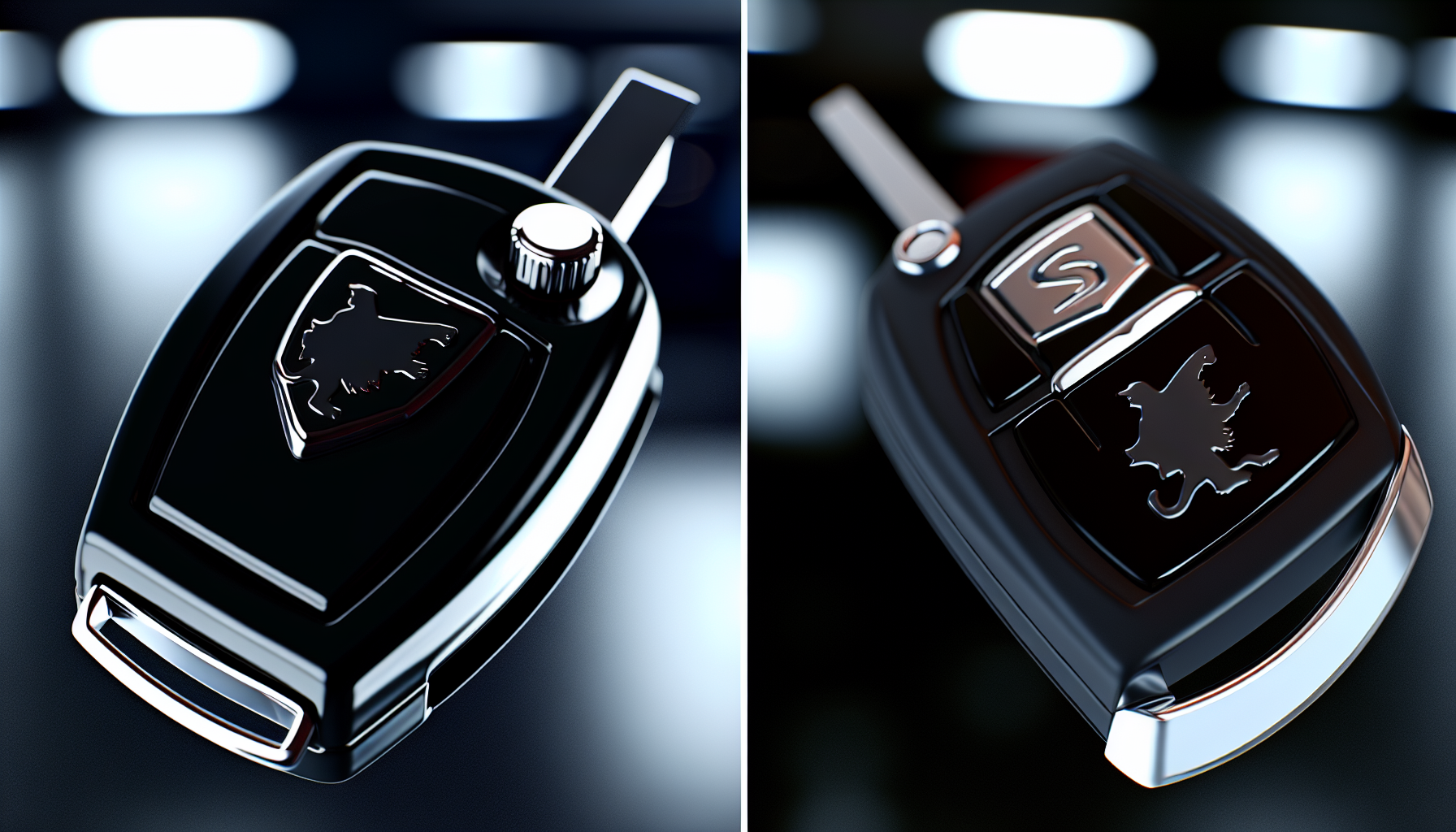
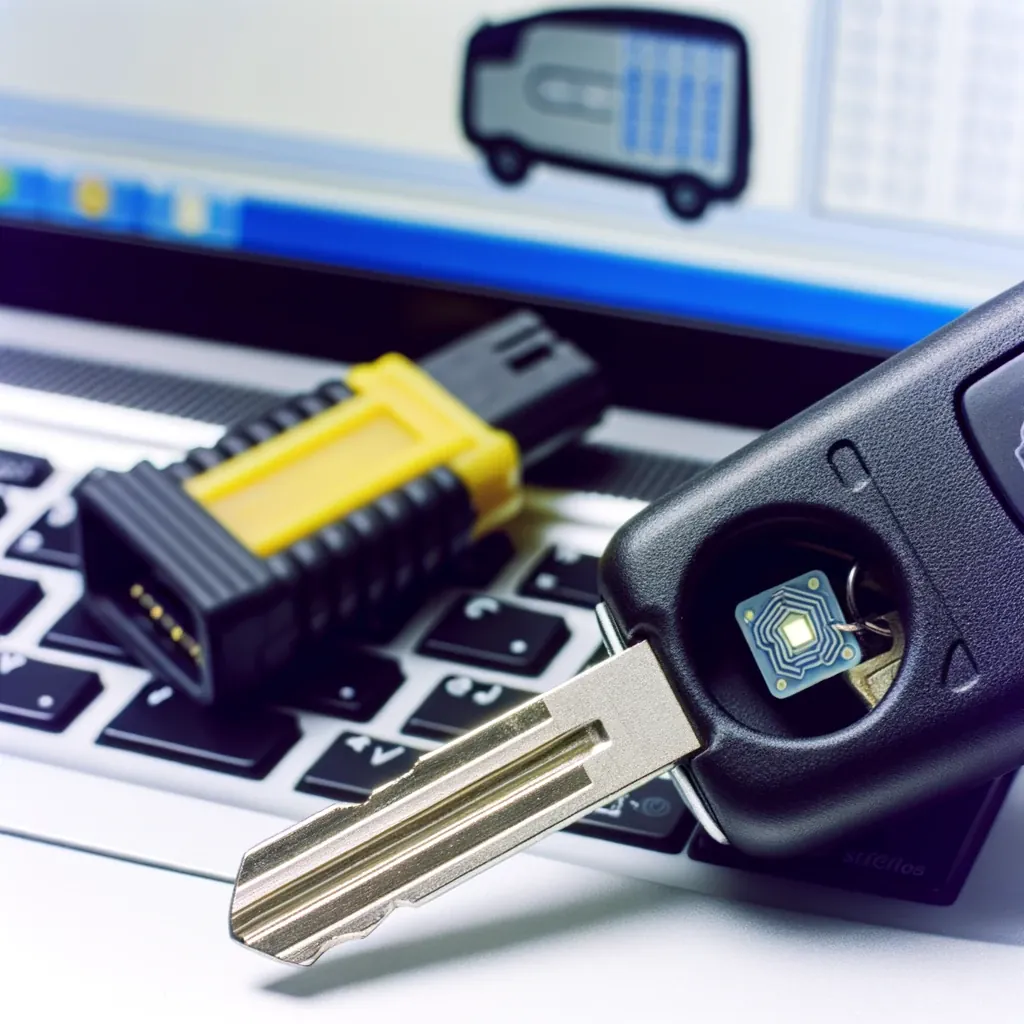
A transponder key contains a tiny microchip embedded in the plastic head of the key. This chip communicates with your vehicle's immobilizer system using radio frequency identification (RFID) technology. When you insert the key into the ignition or bring it near the vehicle (in keyless systems), the car sends a signal to the transponder chip. The chip responds with its unique coded signal, and only if this code matches what the vehicle expects will the engine start.
The term "transponder" comes from combining "transmitter" and "responder"—which perfectly describes how these keys function. They don't actively transmit signals continuously; instead, they respond when interrogated by the vehicle. This passive system means the chip doesn't require a battery and will function indefinitely (unlike remote key fobs which do need battery replacements).
Evolution of Transponder Technology
Early transponder systems used fixed codes—the chip always sent the same signal. While this was revolutionary for its time, security researchers eventually discovered vulnerabilities. Thieves could intercept and copy these fixed codes, effectively cloning keys.
Modern luxury vehicles use rolling code or encrypted transponder systems. Each time you start your vehicle, the transponder and immobilizer engage in a cryptographic handshake, generating a new code for the next start. This makes key cloning virtually impossible without accessing the vehicle's security module directly. BMW, Mercedes-Benz, Jaguar, Land Rover, and other premium brands implement proprietary encryption algorithms that add additional layers of security.
Types of Transponder Systems in Luxury Vehicles
- Fixed Code (1995-2000): First-generation systems with static codes
- Rolling Code (2000-2010): Codes change with each use, preventing replay attacks
- Encrypted Rolling Code (2010-Present): Advanced cryptography with manufacturer-specific algorithms
- Proximity Systems (2015-Present): Keyless entry and push-button start with enhanced security
How Transponder Key Programming Works
Programming a transponder key involves teaching your vehicle's immobilizer system to recognize a new transponder chip. This isn't as simple as cutting a new key blade—it requires electronic communication with the vehicle's security module. Here's what happens during professional transponder programming:
Step 1: Accessing the Vehicle's Security System
Professional automotive locksmiths connect specialized diagnostic equipment to your vehicle's OBD-II (On-Board Diagnostics) port. This port, typically located under the dashboard, provides access to all of your vehicle's computer systems. However, accessing the immobilizer system requires manufacturer-specific software and authorization protocols.
For luxury brands like BMW and Mercedes, this means using the same diagnostic platforms that dealerships use—ISTA/D for BMW or Xentry for Mercedes. These systems cost tens of thousands of dollars and require annual subscriptions and updates. This is why not all locksmiths can program modern luxury vehicle keys; the equipment investment is substantial.
Step 2: Reading Vehicle Security Data
Once connected, the diagnostic system reads your vehicle's security module to understand its current key configuration. This includes how many keys are currently programmed, their identification numbers, and the vehicle's specific security parameters. For some vehicles, especially European luxury brands, this process may also involve retrieving encrypted data from multiple control modules that must all synchronize with the new key.
Step 3: Obtaining the Correct Transponder
Not all transponder chips are created equal. Your vehicle requires a specific type of chip that operates on the correct frequency and contains the appropriate encryption capabilities. Professional locksmiths maintain inventories of genuine OEM (Original Equipment Manufacturer) transponder chips for all major luxury brands. Using aftermarket or incorrect chips can result in programming failures or intermittent key operation.
Step 4: Programming the New Transponder
With the correct chip and access to the vehicle's security system, the programming process begins. The diagnostic equipment instructs the immobilizer to enter programming mode (often requiring an existing working key for security verification), writes the new transponder's unique ID to the vehicle's memory, synchronizes all relevant control modules to recognize the new key, and tests the new key to confirm proper operation.
This entire process typically takes 30-60 minutes for most luxury vehicles. However, some models with additional security features may require longer programming times. Vehicles that have never had transponder keys programmed before (extremely rare for modern luxury cars) may require additional initialization steps.
Why Proper Equipment Matters
Attempting to program transponder keys without proper equipment can result in:
- • Security Module Lockouts: Multiple failed programming attempts can trigger security lockouts requiring dealership intervention
- • Corrupted Memory: Incorrect programming procedures can corrupt the vehicle's key memory, requiring expensive module replacement
- • Intermittent Operation: Partially programmed keys may work sometimes but not consistently, leaving you stranded
- • Voided Warranties: Unauthorized programming attempts can void vehicle security system warranties
Brand-Specific Transponder Programming Considerations
BMW Transponder Programming
BMW vehicles use sophisticated EWS (Electronic Weapons System) or CAS (Car Access System) modules depending on the model year. Modern BMWs from 2006 onwards use CAS systems with AES 128-bit encryption. Programming requires BMW ISTA/D software and proper security authentication. The CAS module can store up to 10 transponder IDs, and programming new keys requires at least one existing working key for security verification (unless performing an all-keys-lost procedure, which is significantly more complex and expensive).
Mercedes-Benz Transponder Programming
Mercedes-Benz uses infrared transponder technology in many models alongside traditional RF transponders. The Electronic Ignition Switch (EIS) module controls key authorization. Programming requires Mercedes Xentry diagnostic system and valid dealer access. Recent Mercedes models implement online SCN (Software Calibration Number) coding, requiring internet connectivity during programming. Some models have key limits (typically 8 keys maximum) programmed into the EIS module.
Jaguar and Land Rover Transponder Programming
JLR vehicles use smart key systems with sophisticated proximity detection. The Keyless Vehicle Module (KVM) manages all key programming. JLR requires online authentication for key programming on recent models. Programming often involves multiple control modules that must synchronize. Smart key programming includes convenience features like memory seat positions and climate settings.
Transponder Key Programming Costs
The cost of transponder key programming varies based on several factors. Understanding these variables helps you budget appropriately and recognize fair pricing when you see it.
Cost Factors
- Vehicle Make and Model: Luxury European brands typically cost more due to proprietary software requirements ($200-500)
- Key Type: Basic transponder keys cost less than integrated key fobs with remote functions ($150-600)
- Number of Existing Keys: Having a working key simplifies programming and reduces costs
- Service Location: Mobile service includes convenience fees but saves towing costs ($50-100 service call)
- Emergency vs Scheduled: After-hours emergency service commands premium pricing
Common Transponder Key Programming Issues
Key Programmed But Won't Start Engine
If your newly programmed key unlocks doors but won't start the engine, this indicates partial programming. The remote functions (keyless entry) are separate from the immobilizer transponder. This typically happens when programming was interrupted or the immobilizer module requires additional authorization steps. Professional re-programming with proper diagnostic verification resolves this issue.
Intermittent Key Recognition
Keys that work sometimes but not consistently often have weak transponder signals or corrupted programming data. This can result from using low-quality aftermarket transponder chips, incomplete programming procedures, or interference from other electronic devices. Replacing the transponder chip and performing complete reprogramming usually resolves intermittent issues.
All Keys Lost Situations
When all transponder keys are lost, the programming process becomes significantly more complex and expensive. Without an existing working key for security verification, locksmiths must perform EEPROM (Electrically Erasable Programmable Read-Only Memory) programming. This involves removing the vehicle's immobilizer module, reading its memory chip directly, and writing new key authorization data. This procedure requires advanced equipment and expertise, typically costing $500-1,200 depending on the vehicle.
Maintaining Your Transponder Keys
While transponder chips don't require batteries and rarely fail, proper key maintenance extends their lifespan and prevents problems. Keep keys away from strong magnetic fields and electronic devices that could interfere with the transponder signal. Avoid exposing keys to extreme temperatures, which can damage integrated circuits. Don't attach heavy keychains that can damage the key head and potentially crack the transponder housing. Consider having a spare key programmed before you need it—programming is cheaper and easier when you have a working key.
Choosing a Transponder Key Programming Service in Frisco
When you need transponder key programming in the Frisco area, selecting the right service provider is crucial. Look for locksmiths with manufacturer-specific diagnostic equipment for your vehicle brand, genuine OEM transponder chips rather than aftermarket substitutes, mobile service capability for your convenience, comprehensive liability insurance protecting your vehicle, and transparent pricing with written quotes before work begins.
Professional automotive locksmiths serving Frisco's luxury vehicle community invest heavily in maintaining current equipment and software subscriptions. This ongoing investment ensures they can handle the latest security systems and encryption protocols. When you're near The Star, Stonebriar Centre, or anywhere in North Texas, experienced mobile locksmiths bring dealer-level programming capabilities directly to your location—at a fraction of dealership costs.
Expert Transponder Key Programming in Frisco
Dealer-level transponder programming for all luxury brands. Factory diagnostic equipment, genuine OEM chips, and mobile service throughout Frisco, Plano, McKinney, Allen, The Colony, and Prosper. Same-day service available with 1-year warranty on all programming.
- ✓ BMW, Mercedes, Jaguar, Land Rover specialists
- ✓ Latest diagnostic software and equipment
- ✓ Genuine OEM transponder chips
- ✓ Mobile service to your location
- ✓ All-keys-lost solutions available
- ✓ Transparent pricing with no hidden fees
The Future of Transponder Technology
As vehicles become more connected and autonomous, transponder technology continues to evolve. Modern luxury vehicles increasingly use smartphone apps as virtual keys, allowing owners to unlock and start their vehicles using their phones. These digital keys use ultra-wideband (UWB) technology for precise location tracking and enhanced security. Biometric authentication, including fingerprint and facial recognition, is being integrated into vehicle access systems.
Despite these innovations, traditional transponder keys remain essential backup access methods. Even vehicles with advanced digital key systems include physical transponder keys for situations where the primary access method fails. This redundancy ensures you're never locked out of your vehicle due to a dead phone battery or technical glitch.
Understanding transponder key technology empowers you to make informed decisions when you need key programming services. The sophistication of modern automotive security systems means that proper equipment and expertise aren't optional—they're essential. Whether you're programming a spare key, replacing a lost key, or dealing with an all-keys-lost scenario, professional automotive locksmiths with manufacturer-specific diagnostic capabilities ensure your luxury vehicle's security system functions perfectly.