Texas Heat & Key Fob Failures in Frisco, TX
2026 guide to Texas heat and key fob failures in Frisco, TX. Dead-fob symptoms, battery vs fob vs ignition, mechanical blade backup, mobile fixes. Call (469)
Texas Heat & Key Fob Failures in Frisco, TX: A Seasonal Owner's Guide
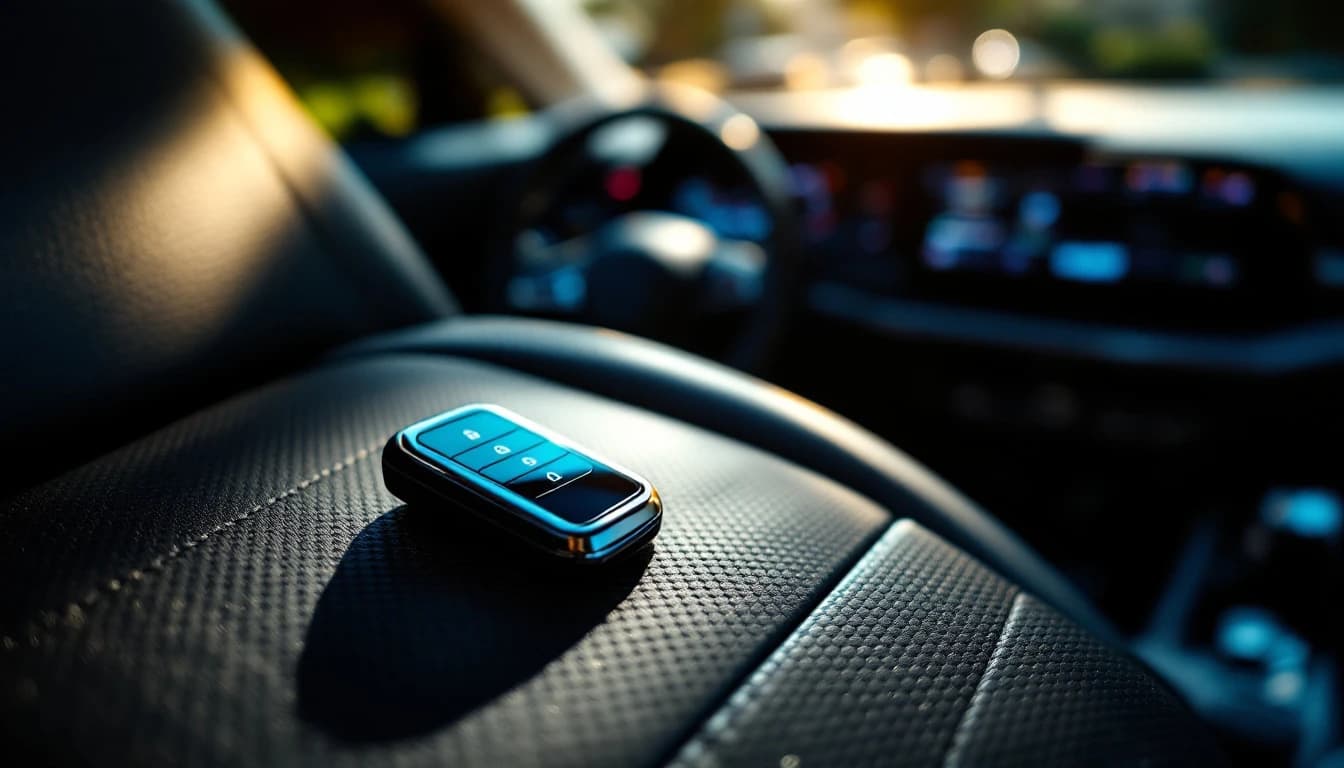
Every North Texas summer, Frisco garages and driveways turn into ovens. Cabin temperatures on a parked car can climb well past the outside air temperature, and a key fob left on the seat, in a cupholder, or on a hot dashboard endures a lot more thermal stress than most owners realize. It's no coincidence that "my fob just stopped working" calls spike in July and August. Heat doesn't usually destroy a fob outright, but it accelerates the small failures — a weak battery, a stressed solder joint, a swollen coin cell — that leave you standing next to a car that won't respond.
Frisco Car Key is a fully mobile automotive locksmith serving Frisco and its high-income North Texas neighbors. As of July 2026, this guide is our practical seasonal playbook: what heat actually does to a fob, how to tell whether you're dealing with a dead battery, a failed fob, or an ignition problem, and which of those we can fix in your driveway the same day. Reach us at Frisco Car Key, (469) 402-9781, contact@friscocarkeys.com.
What Extreme Heat Actually Does to a Key Fob
A key fob is a small sealed electronics package: a coin-cell battery, a circuit board, a radio transmitter, and — on proximity smart keys — a more sophisticated module that talks continuously with the car. None of those components love heat.
The battery. The most common heat-related failure is the coin cell. High temperatures increase a small battery's self-discharge rate, so a cell that would have lasted another year in mild weather can fade in a Texas summer. Heat can also cause the internal chemistry to degrade or the cell to swell slightly, worsening the contact with the fob's terminals. A fob that worked fine in May and gets flaky in August is very often just a cooked battery.
The electronics. Repeated heat cycling — scorching afternoons followed by cool nights and air-conditioned cabins — stresses solder joints and the fob's internal connections over time. A fob that's been left on a hot dash for years can develop intermittent faults where a button works sometimes and not others, or the proximity function drops out. This is less common than a dead battery but very real, especially on older fobs.
The buttons and case. Prolonged sun and heat degrade the rubber button membrane and can warp a plastic case, letting in dust or moisture. A sticky or unresponsive button is sometimes mechanical wear accelerated by heat, not an electronic failure at all.
The immobilizer and transponder inside the key are robust, and the National Highway Traffic Safety Administration (NHTSA) recognizes immobilizer systems as durable anti-theft technology — but the fob's convenience electronics and battery are the parts that suffer in extreme heat.
"In a Frisco summer, the number-one 'my fob died' cause I see is simply a heat-drained coin cell — a five-minute fix. But I always test rather than assume, because a small share of these are a genuinely failing fob or an ignition issue, and swapping a battery there just wastes the customer's time. Diagnose first, then fix." — a Frisco Car Key mobile locksmith technician credentialed for automotive immobilizer work
Dead-Fob Symptoms and What They Usually Mean
Not every symptom points to the same cause. Here's how to read what your fob is telling you before you assume the worst.
- Reduced range — you have to stand right next to the car for the fob to work. This is the classic early sign of a weakening battery. It rarely means the fob is failing.
- Intermittent operation — the fob works, then doesn't, then does again. Often a fading battery or a poor internal contact; occasionally a heat-stressed solder joint on an older fob.
- One button dead, others fine — usually a mechanical button-membrane issue rather than a battery or programming fault.
- No response at all — most often a fully dead battery, but could be a failed fob. The mechanical blade and the push-to-start backup (below) get you into the car either way.
- Fob works but car won't start — this points away from the fob and toward the ignition, the vehicle battery, or a module. A fob that unlocks the doors but won't start the engine is telling you the problem may not be the fob at all.
Battery vs. Fob vs. Ignition: The Diagnostic That Saves You Money
The single most valuable thing this guide can do is help you — or us — avoid fixing the wrong thing. Here's the honest decision path.
Start with the battery. It's the cheapest and most common cause. A fresh coin cell restores range and reliability in the majority of heat-related complaints. If a new battery fully resolves the symptoms, you're done and you've spent very little.
If a new battery doesn't fix it, suspect the fob. Persistent intermittent behavior, a button that won't respond even on a fresh cell, or a proximity function that keeps dropping suggests the fob's electronics are failing. At that point a replacement fob — cut and programmed to your car — is the fix, covered by our smart key programming service for push-to-start vehicles or key duplication for simpler keyed vehicles.
If the fob is clearly fine but the car won't start, look at the ignition or vehicle systems. A fob that reliably locks and unlocks the doors but won't crank the engine is often not a fob problem. It could be the vehicle's main battery, a starting-system fault, or a worn ignition lock cylinder. If the ignition cylinder is the culprit — the key or start function feels wrong, sticks, or fails — our ignition repair service is the correct path. Fixing the ignition when the real issue is a $10 battery, or replacing a fob when the ignition is the fault, are exactly the mistakes a proper diagnostic prevents.
This "cheapest likely cause first" approach mirrors the consumer-protection habit the Federal Trade Commission (FTC) recommends: insist on an accurate diagnosis and itemized pricing before authorizing the larger repair.
Frisco Summer Fob Problems: Cost and Fix at a Glance
The table below maps the common heat-season symptoms to their likely cause, our typical service band, and whether it's a routine mobile fix. These are ranges, not quotes; your firm number comes after we confirm the vehicle and diagnose the actual cause.
| Symptom | Likely Cause | Typical Range | Mobile Fix? |
|---|---|---|---|
| Reduced range, works up close only | Weak coin-cell battery | Battery-level, low cost | Yes, same visit |
| Intermittent / flaky response | Fading battery or aging fob | $50–$300 | Usually, after diagnosis |
| One button dead | Button membrane wear | Varies / replace fob | Yes, if fob replaced |
| No response at all | Dead battery or failed fob | $50–$300 | Yes, blade backup meanwhile |
| Doors work, engine won't start | Ignition, vehicle battery, module | $150–$550 | Diagnosed on-site |
| Push-to-start fob replacement | Failed or lost smart key | $120–$500 | Yes, quote after VIN |
| Ignition cylinder worn/sticking | Lock cylinder, not the key | $150–$550 | Yes, most cases |
The Mechanical Blade: Your Heat-Season Safety Net
Here's the reassuring part every push-to-start owner should know: even if your fob is completely dead from heat, you are not locked out of your car. Virtually every proximity smart key hides an emergency metal blade inside the fob body — usually released by a small latch — that opens the driver's door manually. And every push-to-start vehicle has a documented backup method to start the engine with a dead fob, typically by holding the fob against a specific spot on the steering column or start button so the car can read the transponder directly.
That means a heat-killed fob is an inconvenience, not a catastrophe. You can get into the car and, in many cases, start it, using the mechanical and backup methods your manufacturer built in. Cutting or repairing that emergency blade is always a mobile-serviceable job, so even in a worst case we can restore your door access on-site. Knowing this ahead of time turns a stressful "I'm stranded" moment into a calm "I'll use the backup and call the locksmith."
Preventing Heat-Related Fob Failures
A few simple habits meaningfully extend fob life through a North Texas summer:
- Don't store the fob in the car. A fob left on a dashboard or in a hot cabin all day takes the full thermal beating. Keep it on you or in a cooler indoor spot.
- Replace the coin cell proactively. If your fob is a year or two into its battery and summer is starting, a fresh cell is cheap insurance against an August failure. It's a small, inexpensive part.
- Keep the fob dry and clean. Sweat, sunscreen, and pool water are summer realities; wipe the fob and keep it out of wet bags.
- Have a spare made before you need it. A verified second fob means a heat-failed primary never leaves you stuck. AAA's member preparedness guidance frames a backup key as a fundamental safeguard, and AAA applies that across all vehicles.
Why a Spare Is Especially Smart in a Texas Summer
Heat failures cluster in the hottest months, and they tend to happen when you least want them — at a packed parking lot, after a pool day, at the trailhead. A proactive spare turns any of those into a non-event: your primary fob acts up, you switch to the spare, and you schedule a calm repair instead of an emergency one. The gap in cost and stress between "I have a spare" and "this was my only key and now the car won't respond in 105-degree heat" is large.
Adding a spare with a working key present is a straightforward, scheduled mobile appointment on most vehicles — see our car key replacement service. The Associated Locksmiths of America (ALOA) and the National Automotive Service Task Force (NASTF) both frame credentialed, ownership-verified key service as the legitimate way to keep vehicles both accessible and secure — and a summer spare is the simplest expression of that. If you're scheduling any service with us during the hot months, adding a spare in the same visit is the single most cost-effective decision you can make.
Licensing and Legitimacy in Texas
When you need fob work — a battery, a replacement, or an ignition diagnosis — use a legitimate locksmith. In Texas, locksmith and access-control companies operate under the Texas Department of Public Safety (DPS) Private Security Bureau. A legitimate mobile locksmith identifies the business, carries insurance, and verifies vehicle ownership before any key work. That verification protects you and keeps the key ecosystem honest. Anti-theft rigor and working within a technician's verified capability are exactly the standards ALOA promotes.
We serve Frisco, Plano, McKinney, Allen, The Colony, and Prosper. Learn more about our team or contact us to schedule.
Frequently Asked Questions
Can Texas heat really kill a car key fob?
Heat rarely destroys a fob outright, but it accelerates the failures that leave you stranded. High temperatures increase a coin-cell battery's self-discharge and can degrade its chemistry, so a battery that would have lasted another year fades in a hot summer. Repeated heat cycling also stresses the fob's internal electronics over time. The most common heat-season complaint by far is simply a drained battery, which is a quick, inexpensive fix — but a small share are a genuinely failing fob, which is why we diagnose before replacing anything.
How do I know if it's the fob battery or the fob itself?
Start with the symptoms. Reduced range — needing to stand right next to the car — almost always means a weak battery, and a fresh coin cell usually restores full function. If a new battery doesn't fix persistent intermittent behavior, an unresponsive button, or a dropping proximity function, the fob's electronics may be failing and a programmed replacement is the fix. The rule of thumb is cheapest likely cause first: try the battery, and only move to a replacement fob if the battery clearly isn't the problem.
My fob unlocks the doors but the car won't start — is that the fob?
Probably not. A fob that reliably locks and unlocks the doors but won't start the engine is usually pointing away from the fob and toward the ignition, the vehicle's main battery, or a starting-system module. If the key or start function feels wrong, sticks, or fails, a worn ignition lock cylinder may be the cause, which is an ignition-repair job rather than a fob replacement. We diagnose the actual cause on-site so you don't pay to replace a fob that was never the problem.
If my fob is completely dead, am I locked out of my car?
No. Virtually every proximity smart key hides an emergency metal blade inside the fob that opens the driver's door manually, and every push-to-start vehicle has a documented backup method to start the engine with a dead fob — usually by holding the fob against a specific spot on the column or start button. So a heat-killed fob is an inconvenience, not a catastrophe. We can also cut or repair that emergency blade on-site, so your door access is always restorable mobile.
How much does a heat-related fob fix cost in Frisco?
As of July 2026, a coin-cell battery is a low-cost, same-visit fix. A replacement key or fob generally falls in the $50–$300 range for simpler keyed vehicles and the $120–$500 range for push-to-start smart keys, quoted after we confirm the vehicle. An ignition-cylinder repair, if that's the real issue, runs about $150–$550. We diagnose first and give you an itemized quote before doing the larger work, so you never overpay for the wrong fix.
How can I prevent my fob from failing in the summer?
Don't store the fob in a hot car — keep it on you or somewhere cool. Replace the coin cell proactively if it's a year or two old and summer is starting; it's a cheap part. Keep the fob dry and clean from sweat, sunscreen, and pool water. And have a verified spare made before you need it, so a heat-failed primary never strands you. These simple habits meaningfully extend a fob's life through a North Texas summer.
Should I get a spare key before summer even if my fob works fine?
Yes — a proactive spare is especially smart heading into the hot months, because heat failures cluster in July and August and tend to strike at the worst moments. With a spare, a flaky primary fob becomes a non-event: you switch keys and schedule a calm repair instead of an emergency one. Adding a spare with your working key present is a straightforward, scheduled mobile appointment on most vehicles, and it's the cheapest insurance against being stuck in the heat.
Ready to Fix or Prevent a Heat-Season Fob Problem in Frisco?
Frisco Car Key diagnoses the actual cause before quoting the fix — battery, fob, or ignition — so you never overpay for the wrong repair. Whether you need a fast summer battery swap, a replacement smart key, an ignition diagnosis, or a proactive spare before the heat peaks, call or text (469) 402-9781 or email contact@friscocarkeys.com. We offer same-day mobile service across Frisco and North Texas where feasible.
References
- National Highway Traffic Safety Administration (NHTSA) — immobilizer technology and vehicle theft: https://www.nhtsa.gov
- Federal Trade Commission (FTC) — consumer guidance on diagnosis and service pricing: https://www.ftc.gov
- Associated Locksmiths of America (ALOA) — professional locksmith standards: https://www.aloa.org
- National Automotive Service Task Force (NASTF) — secure data and vehicle access for independents: https://www.nastf.org
- AAA — member guidance on automotive locksmith and roadside services: https://www.aaa.com
- Insurance Institute for Highway Safety (IIHS) — anti-theft effectiveness research: https://www.iihs.org
Related Guides
Broken Car Key Extraction & Replacement in Frisco, TX
A Frisco guide to broken car key extraction — how a key snaps in an ignition or door lock, damage-free removal, when the cylinder itself is worn, and cutting a fresh key with honest mobile cost ranges.
Relay Theft & Keyless Entry Security for Luxury Cars in Frisco, TX
A Frisco guide to relay theft and keyless-entry security for luxury cars — how signal-amplification attacks actually work, the simple habits and tools that defend against them, and why a proactive spare key is part of a sound security posture.
Auto Car Keys Replacement in Frisco TX: Mobile Key Cutting & Programming
Get fast mobile auto car keys replacement in Frisco TX. Our expert service ensures quick key cutting and programming. Contact us today for help!